Enhance Your Outdoor Environment: Professional Landscaping Advice for a Beautiful Residential Garden
Transforming an outdoor space into a beautiful residential landscape involves careful planning and thoughtful execution. By evaluating the unique characteristics of a yard, individuals can establish definitive garden objectives. Selecting plants suited to the local climate is essential. Additionally, adding functional hardscaping elements improves both aesthetics and usability. However, the journey doesn't end there. Learning how to preserve vibrancy and sustainability can enhance any garden to the greater heights. What strategies will lead to enduring achievement?
copyrightine Your Property to Determine Your Landscaping Objectives
Before launching any landscaping effort, it is vital for property owners to carefully evaluate their outdoor environment. This initial evaluation helps them to understand the unique characteristics of their property, such as sun exposure, soil composition, and current plant life. Identifying these components aids in deciding which design elements can be effectively integrated into the location.
Homeowners should take dimensions and record any obstacles including vegetation, barriers, or walkways that may affect the design. Additionally, recognizing personal preferences and lifestyle needs—including areas for entertainment, plant cultivation, or leisure—can guide the landscaping goals. By specifically establishing these objectives, property owners set a strong base for a cohesive and functional outdoor environment. This thoughtful evaluation leads to a more rewarding and successful garden renovation, ensuring the exterior environment enhances not only the home's aesthetic but furthermore meets the functional requirements of its residents.
Select the Best Plants for Your Local Climate
Picking the right plants for a particular region is important for establishing a thriving outdoor space. Understanding regional climate conditions, including heat levels, precipitation, and humidity, enables property owners select plants that will flourish. Native plants often adapt best, requiring minimal upkeep and irrigation. As an instance, water-efficient plants are perfect for arid regions, whereas water-preferring plants thrive in moisture-rich environments.
Gardeners should further take into account climate shifts; selecting vegetation that offers continuous appeal enhances the garden. Early bloomers, summer perennials, and vibrant fall foliage can create a striking visual display. Additionally, speaking with local gardening centers or extension services can provide valuable insights into hardy plant varieties adapted for particular regions.
In the end, a well-planned vegetation arrangement improves not just visual appeal but also supports native fauna and promotes ecological health, making it a smart decision for every exterior area renovation.
Elevate Your Garden Through Functional Hardscaping Additions
Functional hardscaping elements prove essential in creating exterior layouts and increasing their functionality. By integrating seating zones and expertly planned walkways, homeowners can create charming outdoor spaces that encourage rest and activity. Additionally, edging can separate different zones within the garden, providing organization and visual interest.
Establish Your Outdoor Setting
Creating a carefully planned outdoor space can transform a garden into an welcoming sanctuary. One proven method to achieve this is through functional hardscaping elements, which establish structure and layout. Pathways made from stone or brick guide guests while adding visual interest. Support walls can establish layered heights, enhancing the garden's overall design and stopping soil loss. Fencing or trellises can delineate boundaries, providing privacy and a sense of enclosure. Incorporating raised garden beds not only defines planting areas but also makes them more accessible. These elements work harmoniously to create distinct zones that enhance both aesthetics and functionality. Ultimately, a clearly organized outdoor space creates a peaceful setting where homeowners can unwind and appreciate the outdoors.
Include Sitting Spaces
Incorporating sitting zones into an exterior environment greatly improves its functionality and attractiveness. By adding practical hardscape features, homeowners can establish welcoming areas for rest, gathering, or appreciating the outdoors. Choices range from benches, outdoor furniture, or hanging seats, each contributing to the garden's aesthetic and coziness. Strategically placing seating near key areas like garden displays or fountains, prompts visitors to interact with their environment. Additionally, selecting materials such as wood or stone can complement the garden's design, maintaining visual unity. Shade structures, such as pergolas or umbrellas, provide comfort during hot seasons, ensuring these spaces are functional year-round. Ultimately, expertly crafted sitting zones convert a standard yard into a welcoming retreat for family and friends.
Create Pathways And Borders
Walkways and borders serve as key components in garden development, moving guests around the garden while boosting its design quality. These generate circulation and order, facilitating the recognition of various regions and plant choices. Stone, brick, or gravel selections can construct sturdy passages, and borders made with shrubs or decorative enclosures enhance beauty. Exploration is inspired by routes, which direct eyes toward spots such as planted areas or aquatic installations. Properly maintained borders prevent weed invasion and soil loss, promoting garden wellness. Adding pathways and borders improves utility and enhances decorative appeal in your landscape, creating spaces that are more inviting and satisfying.
Design Flow Through Pathways and Seating Zones
A well-designed outdoor space often features a harmonious flow achieved through thoughtfully placed pathways and seating areas. Pathways guide visitors through the garden, creating a clear sense of direction while enhancing the overall aesthetic. Using materials like stone, gravel, or wood can contribute to the pathway's visual appeal and guarantee durability.
Seating zones supply stopping places, welcoming people to rest and savor the setting. Placing seating thoughtfully near key features, such as a pond or a garden bed, inspires connection with the landscape. The type of seating—stools, benches, or even recliners—may shape the feeling, whether it be informal or elegant.
Adding walkways and rest areas develops a welcoming setting, boosting functionality and pleasure. Combined, they establish a smooth transition among various zones of the garden, encouraging discovery and calm, eventually turning any exterior area into a peaceful sanctuary.
Enhance Your Landscape With Seasonal Hues and Variety
To strengthen the visual attractiveness of a landscape, deliberate curation of seasonal plantings is essential. Blending diverse textural characteristics can introduce layers and fascination, meanwhile deliberately arranged focal areas can command views and forge a balanced plan. Each feature together ensure a vibrant and dynamic garden environment during the entire year.
Choose Garden Plants by Season Wisely
Choosing plants for different seasons thoughtfully can convert your garden into a stunning array of hues and forms. By selecting plants that bloom at different times throughout the year, gardeners can guarantee a continuous display of beauty. Spring bloomers, summer annuals, autumn perennials, and winter evergreens each contribute unique hues and forms to the landscape. It is important to consider local climate conditions and soil types, as well as the plants' growing patterns. Native species often thrive better and require less maintenance, increasing ecological diversity. Additionally, mixing different plant sizes and flowering schedules can create a dynamic visual effect. Ultimately, thoughtful selection fosters a garden that evolves with the seasons, delivering enjoyable displays throughout all seasons.
Develop Layered Textures To Create Visual Depth
Creating dimensional depth entails mixing textures that support and highlight seasonal tones. By using multiple plant types with varied leaf structures, dimensions, and color ranges, one can craft a compelling landscape. For instance, pairing oversized-leaved plants with fine grasses can spark visual interest and mystery. Additionally, integrating bark, stones, and other natural materials introduces tactile elements that enrich the overall experience. Seasonal blooms should be deliberately positioned to provide bursts of color throughout the year, ensuring that each layer remains visually interesting. This thoughtful arrangement not only guides viewers throughout the space but also fosters an immersive atmosphere where each element enhances the garden's beauty and unity.
Place Focal Points Carefully
Purposefully integrating visual centerpieces can markedly in-depth article enhance a garden's aesthetic quality and seasonal richness. These focal points serve as anchors that draw the eye and create a cohesive design. Gardeners can utilize elements such as sculptures, ornamental trees, or vibrant flower beds to establish visual engagement. Seasonal color can be introduced through the selective planting of plants with alternating bloom cycles, ensuring that the garden remains dynamic throughout the year. Textures also play a significant role; blending flat stone surfaces with uneven bark or thick plant life adds depth. By thoughtfully placing these elements, a gardener can build a friendly environment that sparks discovery and gratification, transforming an outdoor space into an engaging retreat.
Utilize Sustainable Approaches for Ensuring a Thriving Garden
Embracing environmentally-conscious approaches is vital for nurturing a healthy garden that flourishes in alignment with the ecosystem. Plant growers are urged to employ indigenous flora, which require reduced water and attention while enhancing regional animals. Using natural horticultural techniques, such as composting and organic pest solutions, can greatly minimize pesticide use, creating a healthier biological community
Moisture-conserving strategies, such as targeted watering systems and rain capture, improve eco-friendliness by improving resource management. Mulching conserves hydration additionally prevents weeds, minimizing the necessity for weed killers. Additionally, supporting biodiversity by including multiple plant types promotes resilience against pests and plant diseases.
Soil quality is vital; strategies such as sequential planting and protective cropping sustain nutrient balance minus synthetic nutrients. By implementing these green methods, growing enthusiasts can establish a thriving space that promotes both plants and ecological balance, producing a more satisfying gardening experience.
Resolve Standard Challenges to Keep Continuous Landscape Beauty
A properly-cared-for landscaped area can confront many difficulties throughout the year, influencing its combined appearance along with well-being. Common issues consist of pest outbreaks, nutrient shortages, and insufficient water. Spotting pests quickly is vital; gardeners should consistently check foliage for injury marks plus address infestations using chemical-free pesticides alternatively adding natural predators.
Insufficient nutrients commonly manifest as yellowing leaves and stunted growth. Conducting soil assessments can help determine individual necessities, allowing for targeted fertilization Insufficient nutrients typically display as discolored leaves as well as slow growth. Conducting soil analysis can help pin down particular necessities, allowing strategic nutrient supply re-establishing balance. Furthermore, maintaining appropriate watering is essential; too much water can lead to root damage, whereas under-irrigation strains plant life.
Changes in seasons also necessitate changes in maintenance. Over winter, applying mulch safeguards root systems against ice, on the other hand the summer season might call for additional water as well as shade protection to protect fragile plants. By addressing such frequent challenges promptly
Should I Perform Garden Design Independently or Employ a Professional?
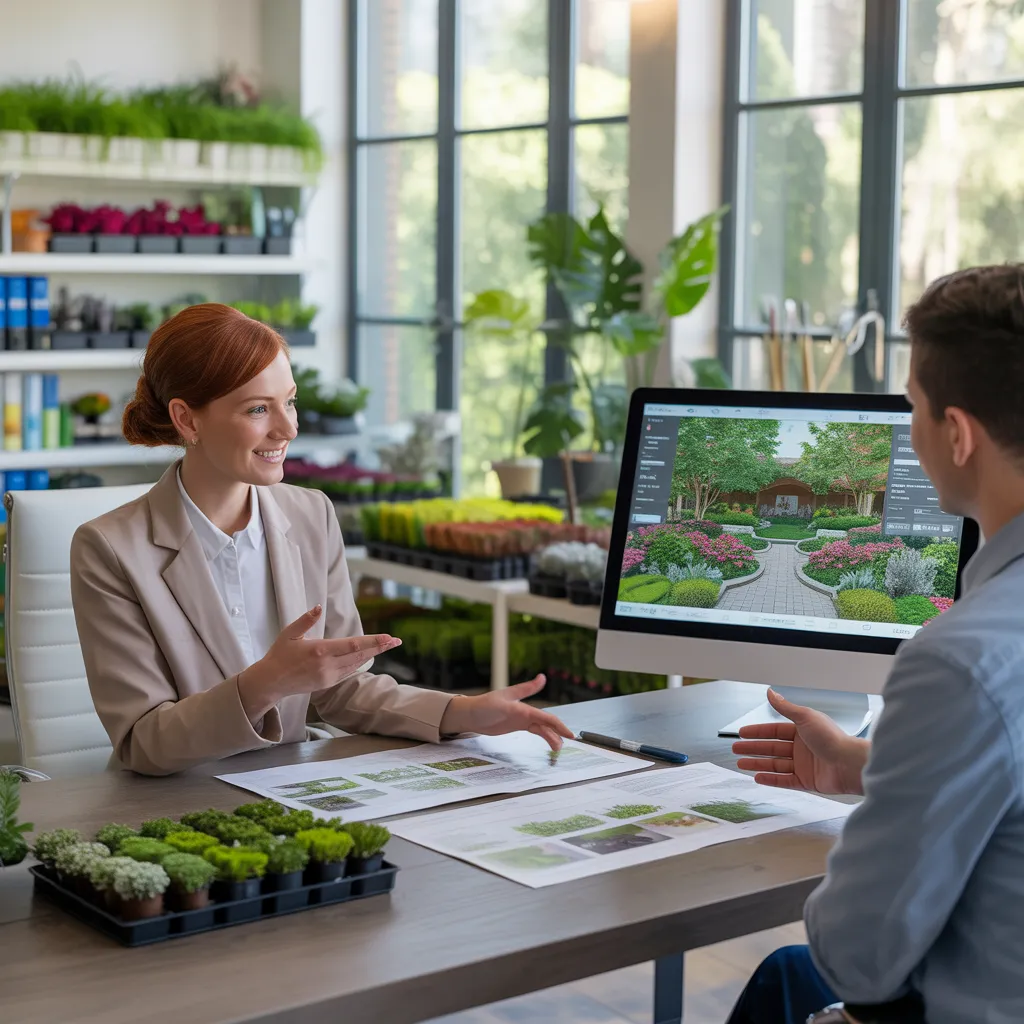
One can certainly undertake landscaping projects solo, leveraging online resources and innovation. However, engaging an expert provides skill, productivity, and better outcomes, especially for complicated projects or larger projects that require expert knowledge.
What Equipment Are Necessary for Residential Landscaping?
Required equipment for home landscaping include a standard rake, digging tool, spade, pruning scissors, garden cultivator, and a irrigation hose or garden watering can. These tools support effectively maintaining earth, plants, and complete garden maintenance, guaranteeing quality landscaping.
How Can I Successfully Preserve My Garden Throughout the Year?
To keep a landscape vibrant year-round, frequently shape plants, use protective mulch for thermal protection, watch moisture levels, and apply seasonal planting methods. Additionally, insect control and feeding are necessary for vibrant, healthy growth.